


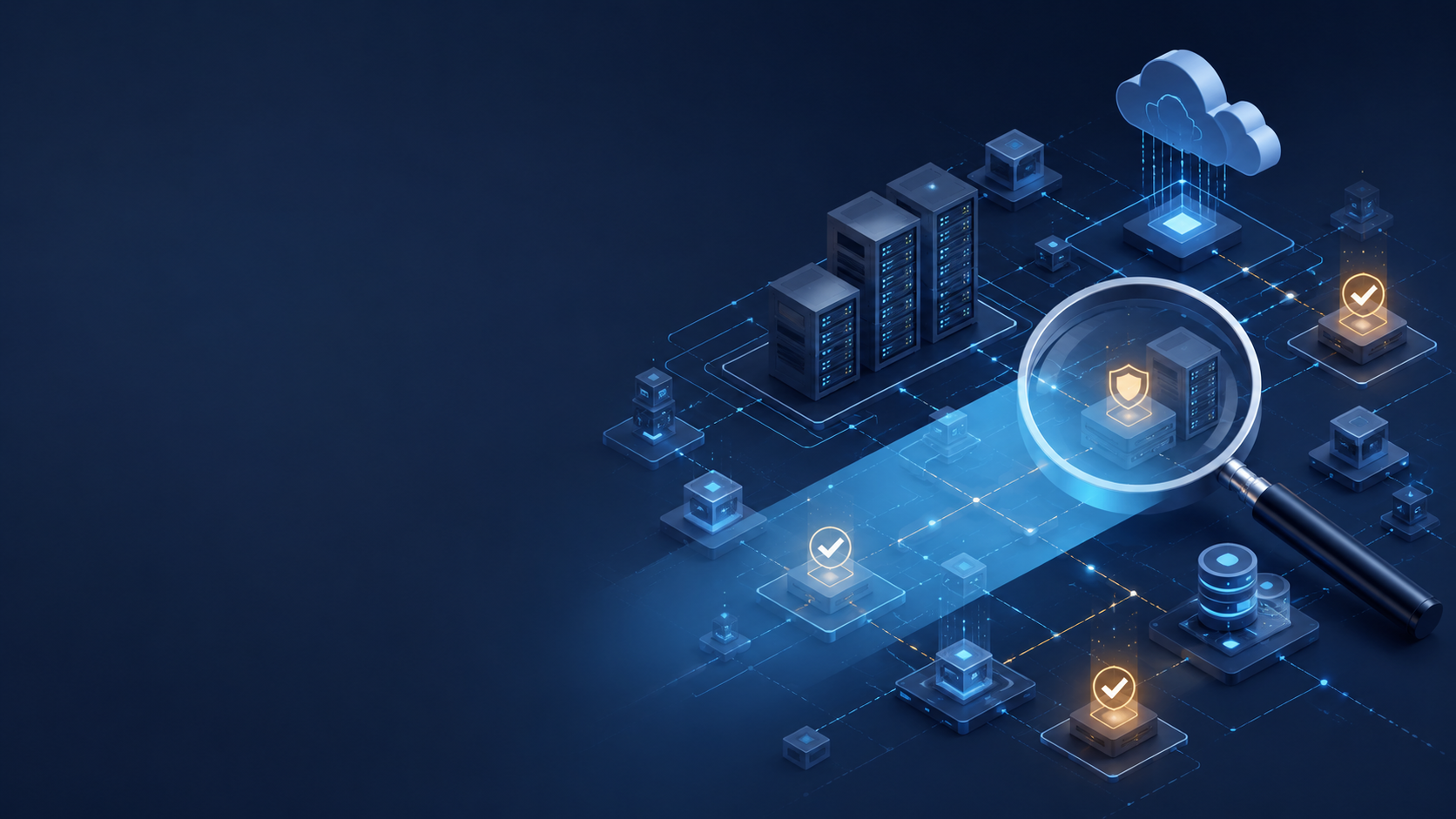


An IT audit is more than just a technical inspection. It helps uncover vulnerabilities, ensure compliance with global standards, reduce risks, and strengthen a company’s position in the digital landscape. By 2026, regular IT audits are no longer optional—they are a strategic necessity.
Comprehensive Infrastructure Assessment in the Digital Economy

The importance of IT audits has grown exponentially in 2026. The world is witnessing a surge in cyber threats, tightening regulatory requirements (such as GDPR, ISO 27001, PCI DSS), and intensifying competition across industries. Companies can no longer afford to conduct one-off audits as a checkbox activity. Instead, auditing becomes an ongoing pillar of digital resilience—enabling risk management while also unlocking new opportunities for optimization.
The cost of neglecting regular audits is simply too high. According to industry research, businesses lose millions of dollars annually due to system downtime, cyberattacks, and regulatory penalties. For example, a single data breach costs a company an average of $4.45 million (IBM, 2023). These numbers emphasize a clear truth: it’s far more efficient and cost-effective to identify vulnerabilities early than to respond to their consequences.
The global business context reflects this shift: leading organizations—from European banks to U.S. retailers and Asian tech giants—are adopting structured audit methodologies as part of their digital transformation strategies.
Core Objectives and Stages of a Comprehensive IT Audit
The primary mission of an IT audit is to transform a fragmented set of systems and processes into a secure, well-governed, and high-performing ecosystem.
The key objectives include:
- Identifying vulnerabilities.
- Audits uncover weaknesses in the infrastructure—such as outdated hardware, unprotected applications, or misconfigured access settings.
- Improving system efficiency.
- Audits assess server performance, software optimization, and the integrity of component interactions—ultimately ensuring faster and more stable IT operations.
- Minimizing risks and threats.
- This includes analysis of both external threats (e.g., hacker attacks, DDoS) and internal risks (e.g., staff errors, excessive user privileges).
- Ensuring compliance.
- IT audits help organizations align with global standards such as ISO, GDPR, PCI DSS, and more. This reduces the risk of penalties and builds trust with customers and partners.
In simplified terms, the impact of auditing can be framed as:
Without audit → Risk, chaos, and vulnerabilities
With audit → Protection, optimization, and business growth
That’s why IT audits are increasingly viewed not as one-time technical projects, but as ongoing management practices—key to staying competitive and resilient in a digital-first world.
From Identifying Vulnerabilities to Building a Resilient IT Ecosystem
A comprehensive IT audit is a multi-layered process that systematically assesses all critical components of the infrastructure. It not only reveals weaknesses but also helps formulate a long-term strategy for developing a robust IT system.
Key Audit Stages:
1. Hardware Analysis
This includes checking servers, networking equipment, storage systems, backup power units, and cooling mechanisms. The focus is on performance and physical protection of assets—such as secure server room access, overheat prevention, and redundancy availability.
2. Software Assessment
Covers license auditing, compliance with usage terms, and the relevance of versions and updates. Security is a priority: Are known vulnerabilities patched? Are updates applied? Does the software meet modern security standards?
3. Network Infrastructure Audit
Assesses connection stability, bandwidth, fault tolerance, and monitoring. Firewall settings, VPN configurations, and the performance of intrusion detection and prevention systems (IDS/IPS) are also examined.
4. Security Evaluation
Focuses on threat analysis—both external (e.g., hacker attacks, DDoS, phishing) and internal (e.g., employee errors, excessive privileges, sabotage). This includes vulnerability scanning and penetration testing.
5. Review of Governance and Documentation
Audits policies on access control, administrative rules, documentation quality, and compliance with standards like ISO, GDPR, and PCI DSS.
You can think of these as the "five levels of IT audit":
Hardware → Software → Networks → Security → Governance
Security Assessment of IT Infrastructure
Information security is the central focus of any IT audit. Even the most cutting-edge infrastructure is meaningless if systems and data remain vulnerable.
External Threats
- Hacker Attacks: Aimed at data theft, extortion, or business disruption.
- DDoS Attacks: Overloading servers, leading to service downtime and revenue loss.
- Phishing: Fraudulent emails used by attackers to gain unauthorized access to corporate systems.
Internal Threats
- Human Error: Missed updates, weak passwords, misconfigured access rights.
- Excessive Privileges: Employees gaining access to resources they don’t need, creating data leak risks.
- Human Factor: Carelessness or malicious actions from insiders.
Audit Methods
- Vulnerability Scanning: Utilizing tools like Nessus and Qualys to identify weak spots.
- Penetration Testing (PenTest): Simulated attacks to evaluate the organization’s preparedness.
- Access and Logging Policy Review: Analysis of system usage, access control, and whether security events are properly monitored.
Real-World Examples
- Maersk lost hundreds of millions of dollars due to the NotPetya virus, which exploited a known software vulnerability.
- In 2023, over 90% of successful cyberattacks began with phishing emails.
Modern Protection Practices
- Zero Trust: The principle of "never trust, always verify" — applied even within the internal network.
- AI-Powered Analytics: Using machine learning to detect anomalies in user behavior and network traffic.
- SASE (Secure Access Service Edge): Unifying network and security services into a single cloud-based platform.
Compliance with International Standards

Why It Matters:
- Fines and Legal Risks: Violations of GDPR or PCI DSS can result in multi-million-dollar penalties.
- Customer Trust: Organizations that demonstrate transparency and data protection gain a competitive edge.
- Stability and Brand Reputation: Compliance reduces the risk of incidents and reinforces brand credibility.
Key Standards Evaluated During IT Audits:
- ISO 27001 — International standard for information security management systems (ISMS).
- GDPR — European regulation on personal data protection.
- PCI DSS — Standards for companies handling payment card data.
- NIST — U.S.-based cybersecurity framework defining best practices and controls.
Practical Value of Audits:
IT auditors help companies align infrastructure with these standards by:
- Optimizing access control processes
- Implementing backup policies
- Conducting staff training
- Documenting procedures for certification readiness
Industry-Specific Requirements:
- Finance must comply with PCI DSS and local regulations
- Retail handles millions of customer records, requiring stringent data controls
- Healthcare must secure medical records per HIPAA (U.S.) or equivalent regional standards
IT Audit Results and Its Strategic Role in Business Growth
A comprehensive IT audit delivers more than just a list of problems — it provides a detailed report with actionable steps to improve infrastructure.
Audit Outcomes Typically Include:
- Current system overview: Where the risks lie and what vulnerabilities were identified
- Improvement recommendations:
- Replacement of outdated hardware
- Software upgrades and proper licensing
- Implementation of new access and security policies
- Configuration of monitoring and backup systems
- Implementation roadmap: Clear priorities, timelines, and phases to help the business enhance infrastructure step by step
Benefits After Implementation:
- Faster recovery from outages: A solid Disaster Recovery Plan (DRP) can reduce downtime from days to hours
- Cost savings: Resource optimization and automation can reduce IT budgets by 20–30%
- Brand and customer protection: Confidence in system security builds trust and safeguards reputation
Important: The audit is just the first step. Real value emerges when a company acts on the recommendations and transforms IT security into an ongoing process.
From Report to Real Improvements and Competitive Advantage
IT audits are no longer a "technical formality." They have become strategic tools that help businesses not only defend against threats but also discover new growth opportunities.
Key Takeaways:
- Security + Competitive Edge: Businesses that conduct regular audits adapt to market changes faster and outperform competitors
- The Evolving Role of the CIO: IT leaders must now align tech initiatives with business objectives, drive innovation, anticipate trends, and ensure digital resilience
- 2026 Technology Integration:
- AI for threat analysis and process optimization
- DataOps for streamlined data management
- Cloud and Multi-Cloud as the new standard for enterprise infrastructure
IT audits form the foundation of a dynamic business strategy, enabling agility, protection, and readiness for whatever comes next.
Conclusion
A comprehensive IT audit is not just a box to check — it’s a strategic enabler of digital resilience and business growth. It helps organizations identify real risks, improve infrastructure efficiency, and ensure compliance with international standards.
Without regular audits, businesses risk significant losses — from cyberattacks and operational downtime to regulatory fines.
In the world of 2026, where competition and cyber threats are accelerating daily, IT audits are essential to survival. They empower companies to protect their systems and data, drive innovation, scale efficiently, and build trust with their customers.
Senseti Group — Your Digital Transformation Partner
Senseti Group is a global technology company, rooted in 15 years of systematic expertise from FTL Company Ltd., enhanced by European best practices.
We build IT solutions that are stable, scalable, and secure — empowering businesses across finance, energy, healthcare, retail, government, telecom, and beyond. Our mission is to unlock business potential through technology, creating new opportunities for people and organizations alike.
Want to learn how an IT audit can strengthen your company? Talk to the experts at Senseti Group — and discover how to turn your IT infrastructure into a strategic business asset.