





An IT infrastructure audit is a strategic tool that not only helps eliminate technical vulnerabilities but also optimizes resources, improves efficiency, and prepares the business for scaling. This article explores the stages, methods, benefits, and key recommendations for choosing the right auditor.
In modern business, IT infrastructure is more than just a collection of servers and software — it’s the foundation that supports all critical operations: from customer service to safeguarding corporate data. Companies no longer rely solely on local networks — they use cloud services, big data analytics, AI, and automation.
This rapid technological evolution has opened up new opportunities — from globalization to instant scalability — but it has also introduced new risks. A single unnoticed failure or vulnerability in the system can lead to costly downtime, data breaches, and reputational damage.
To identify weak points and fully leverage their technology, more and more companies are implementing comprehensive IT infrastructure audits.

Why Your Business Needs an IT Infrastructure Audit — and What It Helps You Achieve
An IT infrastructure audit is a comprehensive assessment of your hardware, software, network architecture, data security systems, and IT management processes.
Its goal is to identify vulnerabilities, eliminate inefficiencies, optimize resources, and ensure the IT environment complies with security standards and regulatory requirements.
A well-executed audit allows businesses to:
- Improve performance and system stability
- Reduce operational risks
- Enhance technology integration into business processes
- Protect the company from cyber threats
- Prepare for scaling and new technology implementation
Core Objectives of an IT Infrastructure Audit
1. Security Assessment
- Review data protection against unauthorized access
- Analyze encryption algorithms used for data storage and transmission
- Evaluate user authentication and authorization systems
- Implement multi-factor authentication for added security
2. Performance Analysis
- Measure network bandwidth and server/system response times
- Identify bottlenecks and latency issues
- Provide recommendations for hardware upgrades and software optimization to better utilize resources
3. Compliance Check
- Evaluate policies and procedures for alignment with industry standards (e.g. GDPR, ISO 27001, local regulations)
- Develop and implement risk management strategies and ensure continuous compliance
4. Optimization Opportunities
- Identify underused or redundant IT resources
- Automate routine tasks
- Consolidate servers and databases to reduce costs and simplify management
Each of these components works toward making your IT infrastructure more secure, efficient, and adaptable — which directly impacts your business performance, including revenue growth, cost reduction, and improved customer satisfaction.
What Types Exist
An IT infrastructure audit has a direct impact on business resilience and development. It addresses key operational areas — from data protection to cost optimization.
Eliminating Vulnerabilities
- Regular assessments help identify weaknesses in the security system in a timely manner, preventing cyberattacks or data leaks. As the number and complexity of digital threats continue to grow, this becomes increasingly critical.
Boosting Efficiency
- IT system analysis helps uncover inefficient use of resources and enables their redistribution to reduce costs and increase productivity.
Ensuring Regulatory Compliance
- Auditing for alignment with standards and laws (GDPR, ISO 27001, local regulations) protects companies from fines, legal risks, and reputational damage.
Driving Optimization and Innovation
- An audit reveals areas for technological improvement — from hardware upgrades to automation — making the business more competitive and scalable.
In short, an audit not only improves the current IT infrastructure but also helps define its strategic development path.
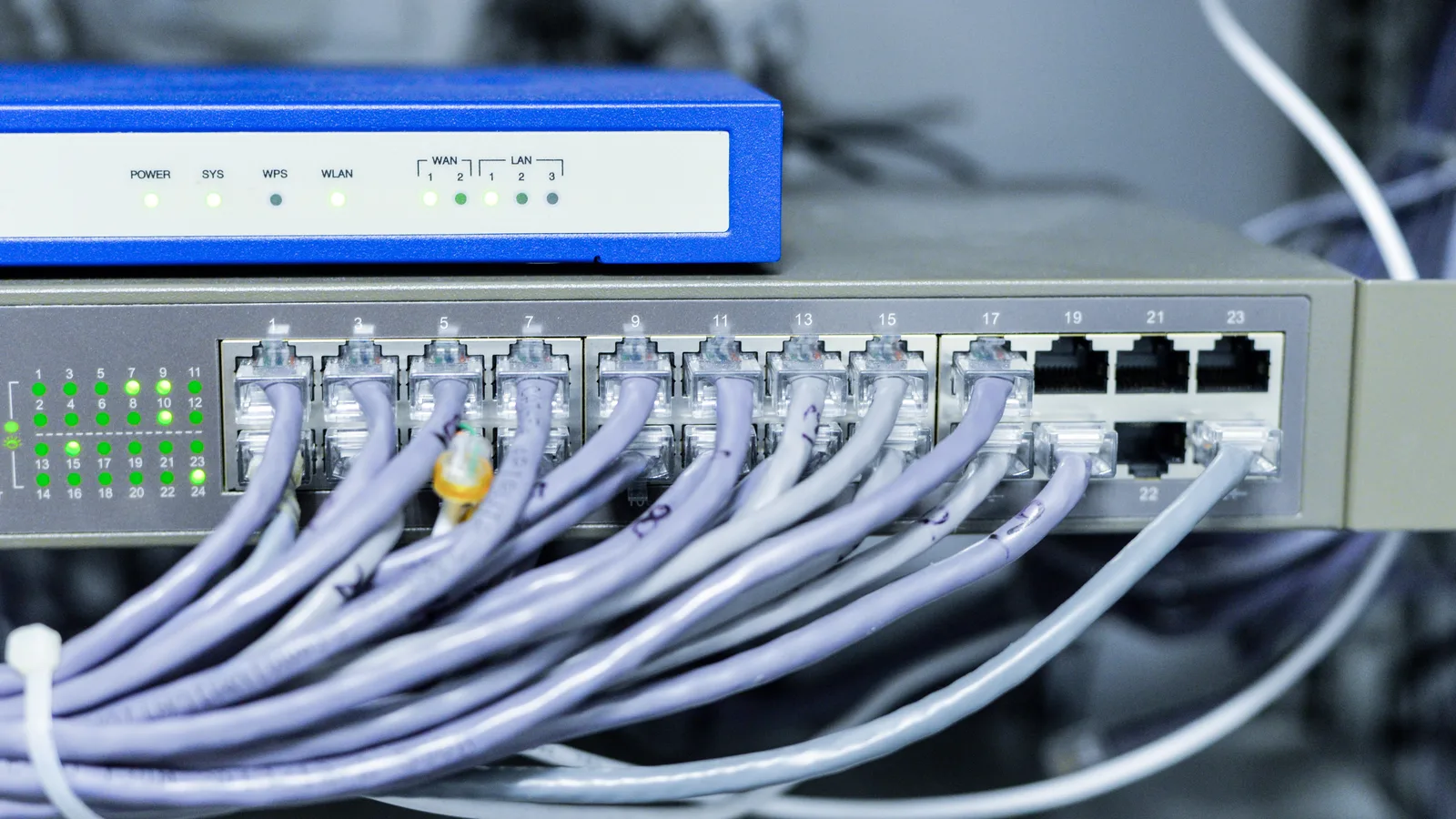
Types of IT Infrastructure Audits
1. Technical Audit
- Assessment of hardware, software, and networking components.
- Example tools: AIDA64 (hardware diagnostics), Wireshark (network traffic analysis).
2. Security Audit
- Review of policies, controls, and security procedures.
- Example tools: Nessus, Qualys (vulnerability scanning)
3. Performance Audit
- Measurement of speed, stability, and system responsiveness.
- Example tools: SolarWinds, Nagios (performance monitoring)
4. Compliance Audit
- Evaluation of compliance with legal and industry-specific standards.
- Example tools: Compliance Auditor, Microsoft Compliance Manager.
Each audit type complements the others, forming a comprehensive picture of your IT infrastructure and its internal connections.
How IT Infrastructure Audits Are Conducted: From Planning to Execution
1. Scope
Clearly define the audit boundaries and identify the list of mission-critical systems to be examined.
2. Building the Team
Assemble a team of professionals with audit and IT experience, ensuring they have access to all necessary resources.
3. Information
Prepare documentation, system diagrams, security policies, and other materials to create a complete picture of the infrastructure's current state.
4. Planning the Audit
Outline the audit objectives, methodology, evaluation criteria, and timelines. The plan must remain flexible to account for unexpected circumstances.
5. Preparing Tools
Configure the software and hardware tools required for data collection, system testing, and result analysis.
Effective preparation ensures the audit runs smoothly, with minimal disruptions to business operations and provides valuable insights for future IT improvements.
The IT Infrastructure Audit Process
An effective audit is only possible through close collaboration between the auditing team and the company’s internal IT department.
The typical process includes the following stages:
1. Kick-off Meeting
Defines the objectives, scope, timeline, and expected outcomes of the audit. It is crucial to agree on collaboration formats and key points of contact at this stage.
2. Data Collection and Analysis
Auditors review the IT infrastructure architecture, current processes, security policies, and documentation. Tools like automated scanners, monitoring systems, and employee surveys are used.
3. Testing and Evaluation
Technical assessments are conducted — from server load testing to vulnerability scanning of software and networks. The infrastructure is evaluated for compliance with best practices and regulatory standards.
4. Interim Reporting
If critical vulnerabilities are identified, the internal team is notified immediately, allowing for rapid remediation before the final report is issued.
5. Final Assessment
Based on all gathered data, the auditors provide a comprehensive evaluation of the infrastructure’s current state and a list of prioritized recommendations.

Reporting and Action Plan
A well-prepared audit report is not just a list of issues — it’s a strategic decision-making tool.
A strong audit report includes:
- Executive Summary – a brief overview of key risks, their priorities, and the potential impact of resolving them.
- Detailed Findings – a list of identified problems, with technical descriptions and evidence (logs, screenshots, diagrams).
- Recommendations – clear, actionable steps to resolve issues, with time and resource estimates.
- Improvement Roadmap – an implementation plan considering priorities and interdependencies among tasks.
Audit Outcomes & Choosing a Reliable IT Partner
A completed audit provides not only a snapshot of your IT infrastructure's current state but also a strategic roadmap for future development. Key business benefits:
- Elimination of vulnerabilities and improved cyber defense
- Reduced downtime and enhanced system stability
- Optimized IT spending and higher ROI on tech investments
- Better compliance with regulatory and industry standards
- Identification of areas for tech innovation and automation
Companies that leverage audit insights as a foundation for long-term IT strategy gain a competitive edge and become more resilient to market and tech shifts.
How to Choose the Right IT Auditor
Choosing the right specialist or firm to perform your IT audit directly impacts the quality and value of results. When evaluating candidates, consider these factors:
Professional Certifications
- Look for internationally recognized certifications like CISA (Certified Information Systems Auditor) or CISSP (Certified Information Systems Security Professional), as well as other credentials in IT governance and cybersecurity.
Industry-Specific Experience
- The auditor should have relevant experience in your industry — whether it's finance, manufacturing, healthcare, or e-commerce. Industry context matters.
Market Reputation
- Check client reviews, case studies, and testimonials. A trusted auditor has a strong reputation among clients and within the professional community.
Technical Expertise
- Ensure the auditor understands the specific technologies and systems your company uses. Practical experience in deployment and optimization is critical.
Communication Skills
- A good auditor explains results and recommendations in a way that's clear to both IT teams and executives. This facilitates decision-making and implementation.
Conclusion
An IT infrastructure audit is not a one-time formality — it is a strategic tool for improving the efficiency, reliability, and security of business operations. Regular audits help you:
- Identify and fix problems early
- Optimize resource usage and reduce costs
- Maintain compliance with laws and standards
- Adapt to tech changes and strengthen competitiveness
Companies that view audits not as check-the-box exercises but as a continuous improvement process enjoy sustainable growth, enhanced service quality, and stronger protection from cyber threats.