DDoS attacks remain one of the most dangerous cyber threats for businesses: they overload services with fake traffic, disrupt critical systems, and cause millions in losses. In this article, we break down how these attacks work, the role of botnets, and the real threats they create for companies.
What Is a DDoS Attack and Why Is It Dangerous for Business
A Distributed Denial of Service, or DDoS, is a type of cyberattack in which attackers send a massive volume of artificial traffic to a website or server to take it offline. As a result, legitimate users lose access to the service, while the business faces downtime and financial losses.
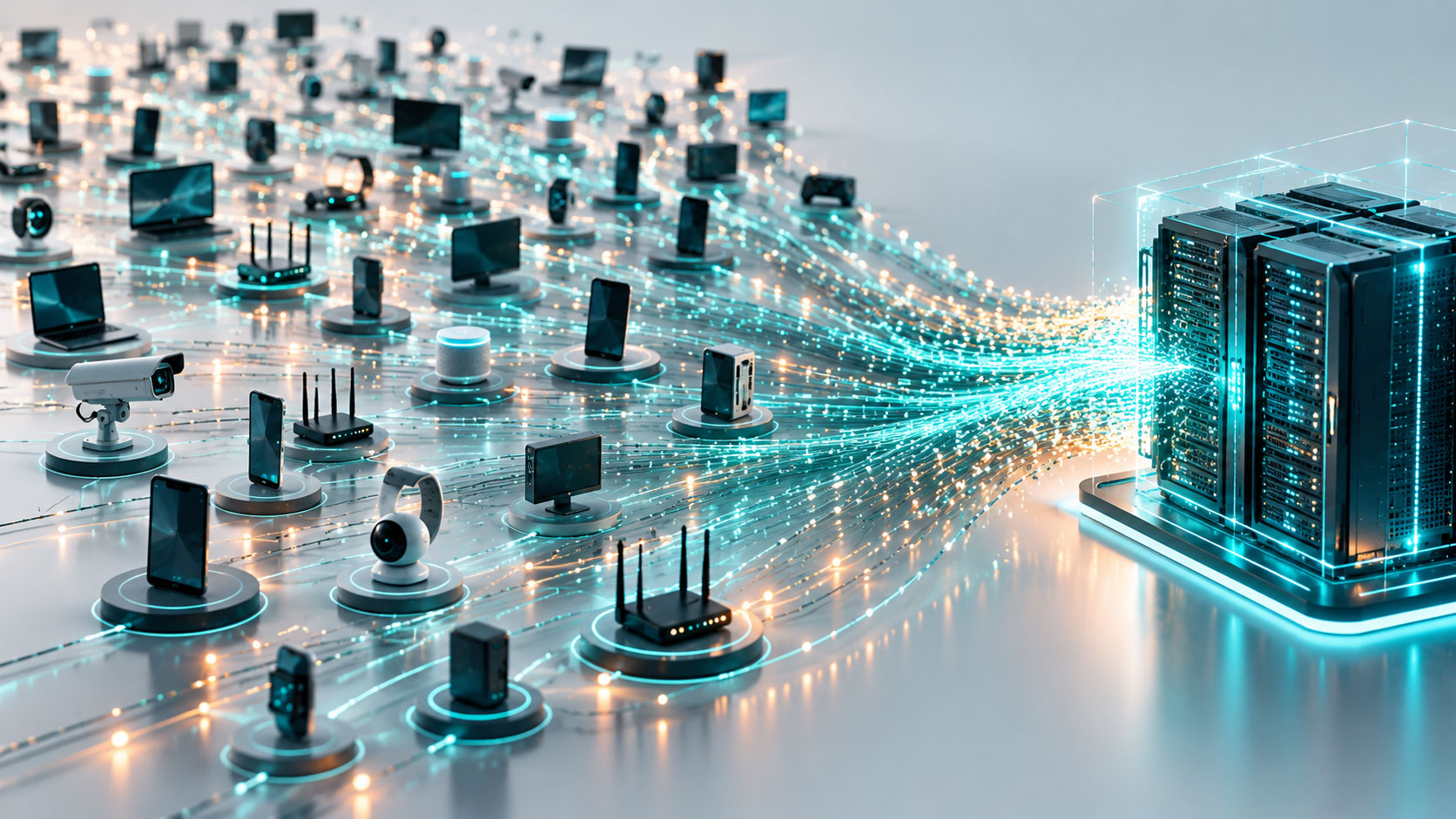
The attack works by using infected devices grouped into a botnet to generate traffic. Such a network can include thousands or even millions of “hijacked” computers, smartphones, and Internet of Things devices: cameras, routers, sensors.
According to Cloudflare and Kaspersky, the number of DDoS attacks grows every year, while their power continues to reach record levels. Attacks with an intensity of more than 3 Tbps have been recorded, paralyzing global services.
For businesses, the consequences of such attacks can be catastrophic:
Financial losses - from $100,000 to $250,000 per hour of downtime.
Reputational damage - customers lose trust in the brand.
Loss of sales - unavailable e-commerce platforms and online services directly hit revenue.
Increased risks - DDoS is often used as a “smokescreen” for hacking and data theft.
Therefore, a DDoS attack is not just a website outage. It is a real threat to business resilience and competitiveness.
How DDoS Works: Principles and Attack Mechanisms
The architecture of a DDoS attack follows a simple scheme: botnet → internet → target. First, attackers infect devices, usually through malware or exploits, combining them into a distributed network. Then this network starts generating traffic directed at a specific website or server.
Botnets play the key role: networks of tens or hundreds of thousands of infected devices. One of the most famous examples is the Mirai botnet, which used vulnerable IoT devices, including IP cameras and routers, to carry out attacks of unprecedented scale.
There are different attack channels:
HTTP flood - overloads a web application with a large number of HTTP requests.
UDP flood - overloads a server with a large volume of UDP packets.
Amplification attacks, including DNS, NTP, and Memcached - use open services to multiply traffic many times over.
DDoS attacks can last from a few minutes to several days, and sometimes even weeks. The longer an attack continues, the greater the damage to the company, including service disruptions and financial losses.
Botnets and Their Role in DDoS
A botnet is a network of infected devices controlled by an attacker. It can include computers, smartphones, servers, and especially Internet of Things devices: IP cameras, smart speakers, and routers.
One example is the Mirai botnet, which attacked DNS provider Dyn in 2016 and temporarily took down services such as Twitter, Netflix, Spotify, and Reddit. This attack became a turning point in the history of cyber threats, proving that even consumer IoT devices can be used for global attacks.
The scale of botnets makes them extremely dangerous: even if one device generates minimal traffic, the combined load from hundreds of thousands of infected machines can overload even the infrastructure of the largest companies.
Main Types of DDoS Attacks
DDoS attacks can take different forms, and understanding their types helps companies build proper protection. They are generally divided into four categories:
Volumetric attacks - attackers flood the communication channel with a massive number of requests, consuming all available bandwidth. An example is a UDP flood or DNS amplification attack, where a small request is amplified hundreds of times and overloads the target.
Protocol attacks - target vulnerabilities in network protocols. For example, SYN flood forces a server to maintain fake connections, while Ping of Death uses malformed packets to crash a system.
Application-layer attacks (L7) - target web applications. This can include HTTP flood, imitation of real user requests, or exploitation of vulnerabilities such as SQL injections. These attacks are especially dangerous because they imitate legitimate traffic.
Mixed attacks - a combination of different scenarios where attackers use volumetric, protocol, and application-layer techniques at the same time to bypass protection.
Each of these types requires specialized solutions: from traffic filtering to intelligent detection systems.
Examples of DDoS Attacks Around the World
The history of cyber threats is full of examples of destructive DDoS attacks. In 2020, Amazon AWS recorded an attack with a capacity of more than 2.3 Tbps, making it one of the largest in history. During the same period, Google Cloud reported blocking an attack of more than 2.5 Tbps targeting its infrastructure.
The financial sector also regularly becomes a target for attackers: large-scale attacks have been carried out against banks such as JP Morgan and Deutsche Bank, causing disruptions to online services. The gaming industry is traditionally one of the most attacked sectors: DDoS attacks have taken down Blizzard, Xbox Live, and PlayStation Network services, leaving millions of users without access.
These examples show that no industry is protected from DDoS, and the power of attacks continues to grow.
Consequences of DDoS Attacks for Business
For companies, DDoS is not just a temporary outage, but a serious business threat. The main consequences include:
Financial losses - each attack can cost hundreds of thousands of dollars. According to industry estimates, downtime for a large online service costs from $100,000 to $250,000 per hour, and in some cases losses reach millions.
Reputational risks - customers lose trust in the brand if services regularly go down because of attacks.
Online service shutdowns - especially critical for e-commerce, banking, fintech, and gaming platforms.
Growing cyber risks - DDoS is often used as cover for other attacks: data theft, malware deployment, and phishing.
Therefore, DDoS can paralyze business processes, disrupt critical infrastructure, and undermine a company’s competitiveness.
Industries at the Highest Risk
Not all industries are equally exposed to DDoS attacks. Some sectors are “favorite targets” for attackers:
E-commerce - an online store outage leads to immediate loss of sales.
Finance - attacks on banks and fintech companies hit critical infrastructure and customer trust.
Telecom - communication providers suffer from attacks on backbone channels, disrupting thousands of users.
Gaming industry - constant DDoS attacks on gaming services such as Blizzard, Xbox Live, and PSN.
Government sector - attacks on government portals are used as tools of cyberwarfare and political pressure.
These industries become targets more often than others, and this is exactly where investment in cybersecurity is especially critical.
Detection and Prevention of DDoS Attacks
Early attack detection plays a key role in minimizing damage. The first signs of DDoS include sharp traffic spikes unrelated to marketing campaigns or seasonal activity, noticeable application performance degradation, and unavailability of critical services. In these situations, every minute of delay costs the business money and customer trust.
Modern monitoring tools make it possible to detect anomalies in advance and warn about potential threats. Solutions such as Zabbix and Nagios provide basic network health monitoring, while Splunk and Dynatrace deliver advanced analytics with event correlation, incident forecasting, and integration with SIEM platforms.
Attack prevention is primarily about readiness. Companies develop response plans, conduct DDoS simulation exercises, update network equipment firmware, and adjust security system configurations. This approach ensures faster response and minimizes consequences even in the case of large-scale attacks.
Modern Anti-DDoS Solutions
Today, the market offers many solutions that help organizations protect against DDoS attacks.
Cloudflare DDoS Protection - a cloud platform that filters malicious traffic at the network edge, protecting websites and APIs.
Akamai Kona Site Defender - combines WAF and DDoS mitigation and is widely used by large e-commerce and media companies.
Radware DefensePro - a hardware solution with behavioral analysis and machine learning support.
AWS Shield Advanced - protection for AWS services with automatic mitigation and SLA.
Azure DDoS Protection - built-in protection for applications and services in Azure.
Google Cloud Armor - a Google solution with global Anycast and CDN integration.
These platforms use a combination of traffic filtering, Anycast routing, and behavioral analytics to stop attacks before they reach corporate infrastructure.
DDoS Protection: Strategies and Technologies of the Future
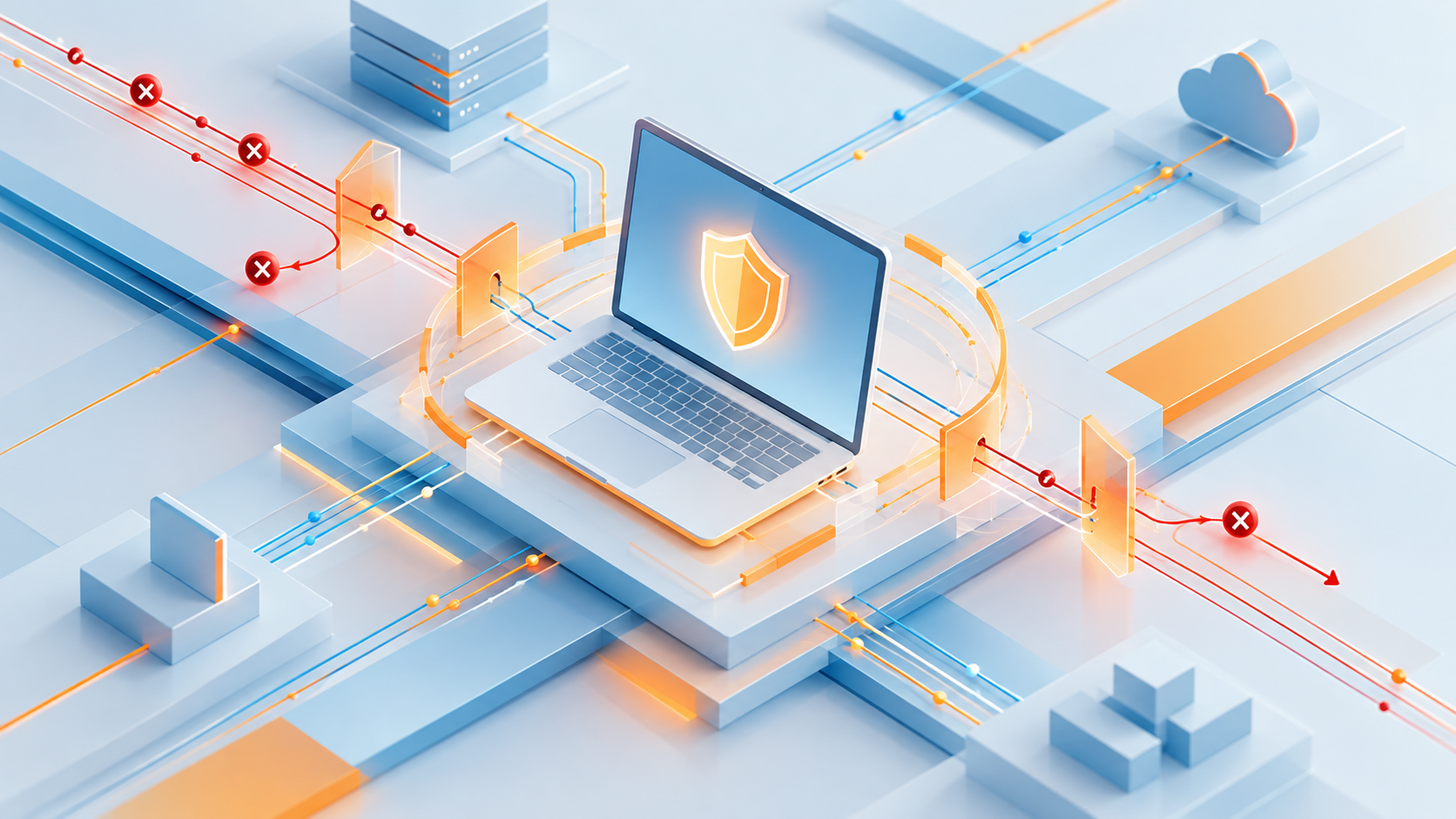
Full DDoS protection must be built on a multi-layered approach. The first line of defense includes NGFW (Next-Generation Firewall) and WAF (Web Application Firewall), which filter suspicious traffic and protect applications at the HTTP level. IDS/IPS are also used for network packet analysis and intrusion prevention.
Mature companies actively use CDN and Anycast networks, which distribute load across multiple nodes. This architecture not only accelerates content delivery, but also reduces the risk of successful volumetric attacks.
Artificial intelligence and machine learning technologies, AI/ML, are becoming a new standard in cybersecurity. Solutions such as Darktrace, Cisco SecureX, and Vectra AI analyze user and network traffic behavior, predict threats, and launch automatic mitigation in real time.
Integration with SOC (Security Operations Center) and SIEM systems also plays an important role, allowing data from all infrastructure layers to be combined and attacks to be handled centrally. This comprehensive approach ensures business continuity and minimizes the consequences of even the most powerful attacks.
Automation and AI in Cybersecurity
Modern Anti-DDoS solutions increasingly use machine learning to analyze traffic behavior and detect anomalies. Unlike traditional systems that respond only to predefined signatures, AI can detect unusual patterns even in requests that look legitimate at first glance.
For example, Darktrace applies “immune system” algorithms that learn from a company’s everyday activity and detect deviations. Vectra AI specializes in detecting hidden attacks, including multi-layered DDoS scenarios, while Cisco SecureX provides integration with corporate SIEM systems and response orchestration.
Automation significantly reduces response time, from hours to minutes or even seconds, which is especially important during attacks measured in terabits per second. In the future, the combination of AI and automation will become the foundation for proactive DDoS protection.
Conclusion
DDoS attacks remain one of the most widespread and destructive threats for modern businesses. They can last for hours or even days, causing serious financial losses, undermining customer trust, and stopping online services.
Traditional protection methods can no longer handle terabit-scale attacks, which is why companies are increasingly moving toward a comprehensive approach: from implementing NGFW, WAF, and IDS/IPS to using CDN, Anycast networks, and AI-based solutions. Only a combination of monitoring, automation, and integration with SOC and SIEM technologies makes it possible to minimize risks and maintain business continuity amid the constant growth of threats.
How Senseti Group Helps Businesses
Senseti Group acts as a strategic partner for companies seeking to protect their infrastructure from DDoS and other cyber threats. We conduct network security audits, design custom protection architectures, and implement solutions from leading vendors, including Cisco, Fortinet, Radware, Cloudflare, AWS, and Azure.
Our team not only implements technologies, but also integrates them with SOC and SIEM, while providing 24/7 monitoring and support. This approach allows Senseti Group clients to be confident that their network is resilient against attacks of any scale and ready for future challenges.
Why CVSS is no longer enough and how to prioritize risk with EPSS and threat intel. A 6-stage vulnerability management framework for resilient defense.
Why the perimeter no longer works and how to protect remote users, devices and clouds. A clear look at Zero Trust, XDR and SASE for resilient business.
Cybersecurity assessment: 4 risk analysis methods, GDPR and ISO 27001 requirements, IAM and backup. When a business needs to check its security posture.